Are Your Employees Your Biggest Cybersecurity Risk?

Cybersecurity is a critical component of protecting your business, but even the most advanced security measures can be compromised if employees unknowingly create vulnerabilities. While many organizations invest in strong passwords, firewalls, and software updates, human error remains one of the most significant threats to data security.


The Risks of Employee Cybersecurity Practices

With the rise of remote work, employees frequently use personal devices—phones, tablets, and laptops—for business purposes. Research indicates that four out of five employees rely on their personal devices for work-related tasks. However, these devices often lack the security protocols found on company-managed systems, leaving them exposed to cyber threats such as weak passwords, outdated software, and unsecured Wi-Fi networks.


Further compounding the issue, two out of five employees admit to downloading customer data onto personal devices, creating additional risks of data exposure. Even more concerning, more than 65% of employees report that they only follow cybersecurity guidelines “sometimes” or “never.” This includes behaviors such as:

  • Forwarding work emails to personal accounts
  • Using personal devices as Wi-Fi hotspots for work
  • Ignoring guidelines when handling sensitive data with AI tools


Password management is another widespread issue. Nearly half of employees use the same passwords across multiple work accounts, and over a third use identical passwords for both personal and professional accounts. If a hacker gains access to an employee’s personal social media account, they may be able to infiltrate business systems using the same credentials.


Strengthening Cybersecurity Through Employee Education

To mitigate these risks, organizations must prioritize cybersecurity awareness and education. Most security breaches occur not because of intentional rule-breaking, but due to a lack of understanding. Employees must be made aware that small habits—such as reusing passwords or working over public Wi-Fi—can significantly compromise business security.


Key strategies to enhance employee cybersecurity practices include:

  • Implementing password managers to generate strong, unique passwords for each work account
  • Requiring access to company systems only on approved, secure devices
  • Prohibiting the forwarding of work emails to personal accounts
  • Providing regular cybersecurity training to reinforce best practices and keep employees informed about emerging threats


Encouraging employees to actively participate in cybersecurity efforts can turn them into the organization’s first line of defense rather than its weakest link. Recognizing and rewarding employees who adhere to security protocols—such as identifying phishing attempts or safeguarding sensitive information—can help foster a security-conscious workplace culture.


Cybersecurity is a shared responsibility. By equipping employees with the right knowledge and tools, businesses can significantly reduce the risk of data breaches and protect their sensitive information from cyber threats.


For expert guidance on employee cybersecurity training and risk management, contact us today.
Blue ad graphic with a padlock and the text, “AI can do many things, BUT this isn’t one of them.”
July 16, 2026
Think AI-generated passwords are secure? Learn why they may be more predictable than they appear and what to use instead for stronger account security.
July 1, 2026
Cybercriminals are constantly finding new ways to make phishing emails look legitimate, and one of the latest tactics is particularly convincing. Instead of spoofing Microsoft, attackers are using Microsoft Azure Monitor itself to deliver fraudulent alerts, making these emails much harder to spot. Azure Monitor is a legitimate Microsoft tool that businesses use to monitor cloud environments, track system performance, and receive notifications about account activity, billing, and potential issues. For organizations that rely on Microsoft Azure, receiving these alerts is completely normal—which is exactly why this scam is so effective. The fraudulent emails often claim there's a billing problem, suspicious account activity, or even a service suspension that requires immediate attention. They create a sense of urgency and typically instruct recipients to call a phone number or take immediate action to resolve the issue. What makes this attack different is that the email can actually originate from Microsoft's own systems. Rather than creating a fake sender address, attackers abuse Azure Monitor's alerting functionality by setting up legitimate alerts with customized messages. Since the emails are delivered through Microsoft's infrastructure, many email security filters recognize them as legitimate and allow them through. This isn't the first time cybercriminals have exploited trusted platforms. Similar scams have used services like PayPal and Google to distribute phishing messages. The strategy is simple: leverage a platform people already trust so recipients are less likely to question the email's authenticity. If you receive an Azure alert that seems unusual, don't let the urgency pressure you into acting immediately. Instead, open your web browser and sign in to your Azure account directly rather than clicking links in the email. Any legitimate billing issues or account notifications should also appear within your Azure portal. It's also important to be skeptical of emails that ask you to call an unfamiliar phone number or provide sensitive information. When in doubt, contact your IT provider or internal IT team before responding. Phishing attacks have become far more sophisticated than the poorly written emails of the past. Today's scams often use trusted services, polished language, and realistic branding to appear credible. As a result, technical security measures alone aren't enough—employee awareness remains one of the strongest defenses against cybercrime. Taking a few extra moments to verify an unexpected alert can prevent a costly security incident. If you're unsure whether your organization is prepared to recognize evolving phishing tactics like these, now is a good time to review your cybersecurity training and response procedures.
May 18, 2026
AI-powered phishing scams are becoming more convincing and harder to detect. Learn how modern phishing attacks are evolving and how businesses can stay protected.
Magnifying glass over a browser window with the text “Your browser sees everything.”
April 20, 2026
Learn how mobile browsers collect your data and simple steps your business can take to improve privacy and reduce security risks.
Microsoft Edge declares war on scam pop-ups; red jets fly against a yellow-orange background.
February 10, 2026
Microsoft Edge now uses AI to block scareware pop-ups before they can cause harm. Learn how the new feature protects users and businesses.
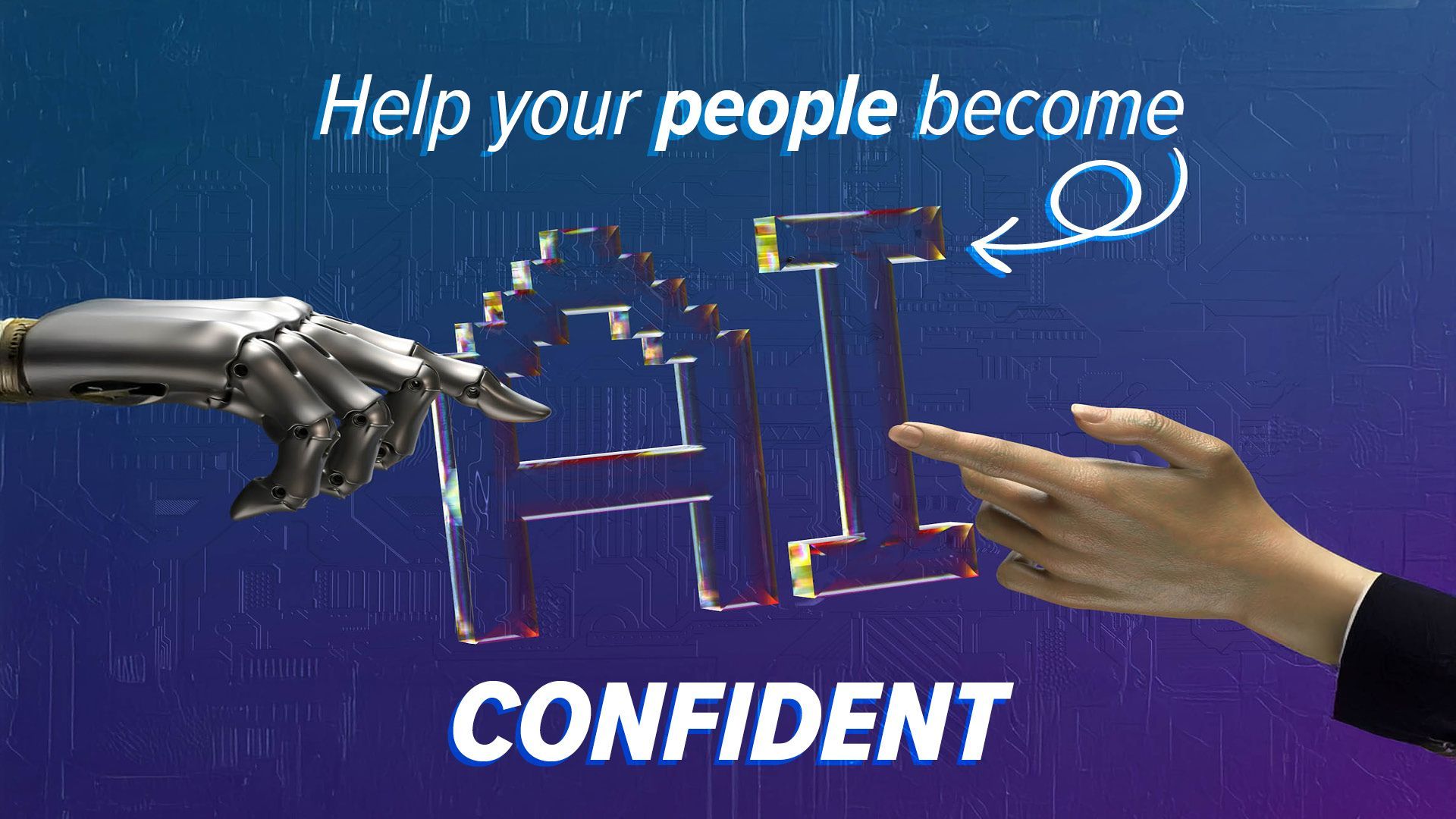
Robotic hand and human hand interact with glowing
January 16, 2026
Learn how to help your employees embrace AI at work. Build confidence with training, culture, and smart strategies for more productivity and creativity.
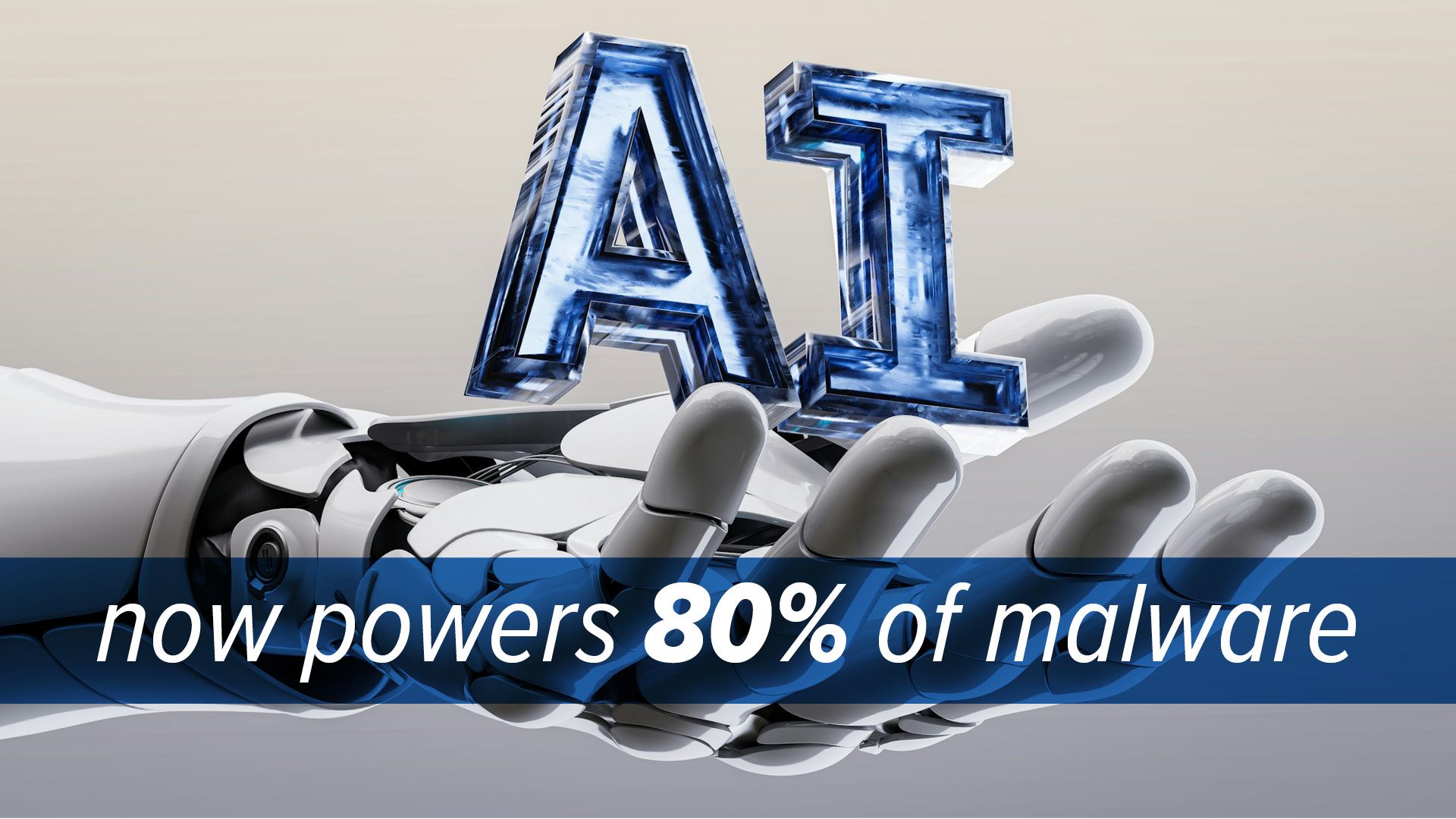
A robotic hand holding
December 20, 2025
AI now powers most cyberattacks, from ransomware to phishing. Learn why SMBs are at risk and how layered, AI-driven security can help protect your business.
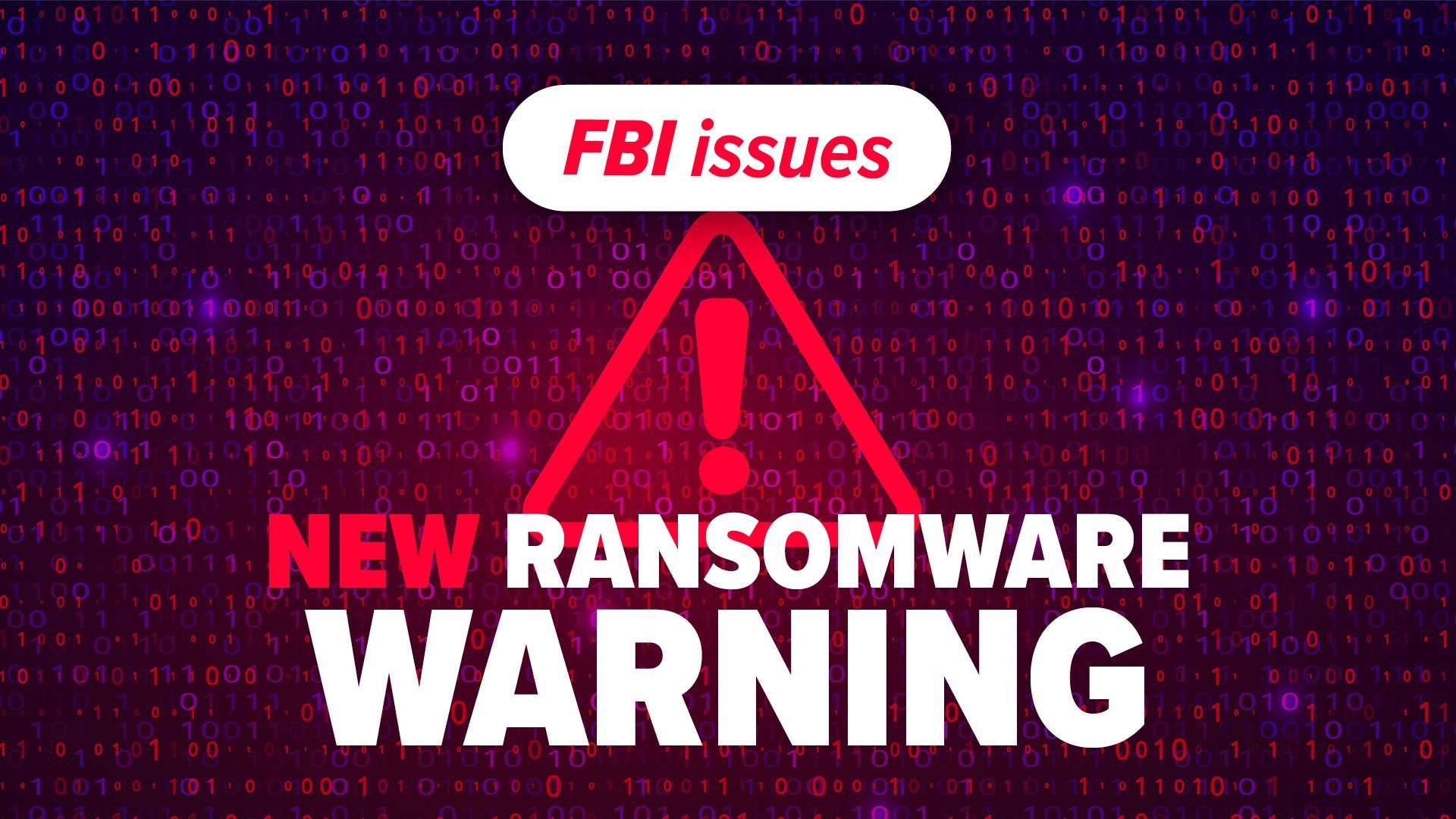
FBI warning about new ransomware threat. Red triangle with exclamation point on binary code background.
November 20, 2025
Learn how Interlock ransomware targets businesses and discover essential steps to protect your systems, data, and operations from attack.
June 9, 2025
If it feels like cyber attacks are dominating the headlines more than ever, you're not imagining things. Cybersecurity threats have surged in recent years, overtaking many traditional risks to become a top concern for businesses across the globe. From ransomware and data breaches to IT disruptions that grind operations to a halt, these digital threats are keeping business leaders on high alert—and with good reason. The Real-World Impact of Cyber Incidents A single cyber attack can cause devastating consequences. Imagine being locked out of your systems, losing access to customer records, or having sensitive data leaked online. These aren’t hypothetical scenarios—they’re daily realities for businesses of all sizes. The fallout from a cyber attack often includes: Significant financial loss Reputational damage Operational downtime Legal and compliance complications Even brief interruptions can result in missed revenue, frustrated customers, and costly recovery efforts. Technology Advancements Are a Double-Edged Sword While advancements in technology—especially artificial intelligence (AI)—are empowering businesses to work smarter and faster, they’re also giving cybercriminals more sophisticated tools to exploit. AI can now be used to automate attacks, mimic legitimate communications, and uncover vulnerabilities faster than ever before. Cyber incidents have become a leading cause of business interruption , where operations are unexpectedly halted due to system failures or cyber attacks. As businesses grow more reliant on digital infrastructure, protecting those systems becomes not just a best practice, but a necessity. AI and Human Vigilance: A Powerful Defense Fortunately, the same AI advancements being used by attackers are also being deployed to defend against them. AI-powered cybersecurity tools can: Analyze threats in real time Detect anomalies before they cause harm Automate response protocols for faster containment However, technology alone isn't enough. The human element remains critical to effective cybersecurity. Employees must be trained to identify red flags—such as suspicious emails, unusual login activity, or unfamiliar software behavior. Without awareness and education, even the best systems can be compromised. Awareness Is the First Step Toward Protection So, how seriously should you take the threat of cyber attacks? Very. But awareness is a strength—not a weakness. The more you understand the risks, the more proactive you can be in defending your business. Key steps include: Staying informed about emerging threats Investing in robust cybersecurity tools Implementing regular employee training Building a workplace culture focused on security You Don’t Have to Do It Alone Navigating the ever-changing cybersecurity landscape can feel overwhelming, but you don’t have to handle it on your own. With the right guidance, you can strengthen your systems, educate your team, and reduce your risk of attack. If you're ready to protect your business from today’s cyber threats, we’re here to help. Contact us to learn more about strengthening your cybersecurity strategy.
May 20, 2025
Your team is smart, capable, and tech-savvy. They know not to click suspicious links or open strange attachments. They’ve heard of phishing emails and understand how scammers operate. So, it’s easy to assume they’d never fall for a scam. But that assumption can be dangerous. The False Sense of Security Just because someone feels confident in spotting a phishing attack doesn’t mean they actually can. In fact, a recent study found that 86% of employees believe they can confidently identify phishing emails —yet more than half have fallen for a scam at some point. These are people who knew what phishing was and still got tricked. That’s because phishing tactics have become much more advanced. Scammers no longer rely on obvious or poorly written messages. Today’s phishing attempts are designed to look completely legitimate, often mimicking: Bank or supplier communications Fake but professional-looking invoices Messages that appear to come from colleagues The more realistic these emails appear, the harder they are to spot—especially when someone is overconfident in their ability to detect threats. The Dunning-Kruger Effect in Action This misplaced confidence is a textbook example of the Dunning-Kruger effect , a psychological phenomenon where individuals overestimate their knowledge or skills. In the workplace, it can lead employees to skip basic precautions like double-checking links, verifying unexpected messages, or reporting anything suspicious. When employees assume they’re immune to scams, they often behave as though the risks don’t apply to them—creating dangerous gaps in your cybersecurity defenses. Awareness Is Your First Line of Defense The good news? This risk can be reduced with the right training and mindset. Phishing awareness training is one of the most effective ways to help employees recognize both traditional and modern scams. Regular sessions keep security top of mind and help employees stay alert to evolving threats. However, training alone isn’t enough. To be truly effective, it must be supported by a workplace culture that encourages reporting . Employees should feel comfortable flagging suspicious emails without fear of embarrassment or reprimand. Otherwise, potential threats may go unreported—and unaddressed. Vigilance Over Confidence Cybersecurity isn’t about how smart your employees are—it’s about how cautious they are. Even your most tech-literate team member can fall victim to a well-executed phishing email. The key is to remain skeptical, question unexpected messages, and never assume that awareness alone is enough. The reality is, the moment someone thinks “I’d never fall for that,” is often the moment they do.