Businesses Are Spending More on IT This Year

Investing in IT for the future - and the unexpected.

As a business owner or manager, you know how important good IT is. As an experienced west coast group of IT professionals, we know your business can’t function without it.


Your IT isn’t just about computers and data. It’s everything from your phone system to your printers, to where you access your documents.


And that’s without going into the measures you must take to keep your data and infrastructure safe and secure from cyber criminals. 


So, we weren’t surprised by a new forecast from IT research and consultancy firm, Gartner, which predicts businesses will spend more on technology this year. 


In fact, the global IT spend could reach an enormous $4.4 trillion. That’s despite rising inflation, the Russian invasion, and shortages in both chips and IT talent.


We believe there’s been a fundamental shift in the way businesses view their technology. 


Two years ago, at the beginning of the pandemic, companies were forced to take unexpected urgent action to help employees work from home. In many cases that meant a large investment in devices, rapid changes to systems, and the adoption of new technology.


And it’s worked out well for most. Businesses have adapted quickly, and many have embraced the changes on a more permanent basis.


But it’s also made business leaders realize they need to be better prepared to respond to future potential disruption.


According to IDC, a renowned IT consulting firm, the costs of data loss and downtime can severely set back small to mid-sized businesses. Their findings indicate that 80% of small businesses have experienced a downtime event, resulting in an average cost of $137 to $427 per minute of downtime. 


With numbers like that, you can’t be caught unprepared. This is the difference between a flexible and agile business… and one that stumbles at the first hurdle. 


Many businesses no longer see IT as a cost. They embrace it as an investment. They can see the direct correlation between creating robust, safe, and flexible systems – and their teams’ abilities to achieve more.


Owners and managers are also placing more value on excellent, proactive technology support from a trusted partner. 


To not only plan and execute big development projects. But also, to help reduce downtime and ensure systems are secure and running as they should be.


The Trusted San Diego IT Consulting Firm


If you’re reviewing your spend on technology and support, West Coast IT Solutions can help determine which tools your business can benefit from. With a free 60-minute Security scan, our IT professionals can check the current status of your business and identify areas that can be improved so your business runs better – and safer! Reach out to our knowledgeable staff to get started.


Published with permission from Your Tech Updates.

Robots in a row with text: “Could AI STOP attacks BEFORE THEY START?”
September 20, 2026
Microsoft's new MDASH platform uses 100+ AI agents to hunt security flaws before attackers do. Here's what it means for your business.
Red circular arrows beside text “The FAKE UPDATE fooling businesses” on a dark red digital background
August 20, 2026
A fake Windows 11 update mimics Microsoft's official site to install malware. Learn how to spot it and keep your updates secure.
Blue ad graphic with a padlock and the text, “AI can do many things, BUT this isn’t one of them.”
July 16, 2026
Think AI-generated passwords are secure? Learn why they may be more predictable than they appear and what to use instead for stronger account security.
July 1, 2026
Cybercriminals are constantly finding new ways to make phishing emails look legitimate, and one of the latest tactics is particularly convincing. Instead of spoofing Microsoft, attackers are using Microsoft Azure Monitor itself to deliver fraudulent alerts, making these emails much harder to spot. Azure Monitor is a legitimate Microsoft tool that businesses use to monitor cloud environments, track system performance, and receive notifications about account activity, billing, and potential issues. For organizations that rely on Microsoft Azure, receiving these alerts is completely normal—which is exactly why this scam is so effective. The fraudulent emails often claim there's a billing problem, suspicious account activity, or even a service suspension that requires immediate attention. They create a sense of urgency and typically instruct recipients to call a phone number or take immediate action to resolve the issue. What makes this attack different is that the email can actually originate from Microsoft's own systems. Rather than creating a fake sender address, attackers abuse Azure Monitor's alerting functionality by setting up legitimate alerts with customized messages. Since the emails are delivered through Microsoft's infrastructure, many email security filters recognize them as legitimate and allow them through. This isn't the first time cybercriminals have exploited trusted platforms. Similar scams have used services like PayPal and Google to distribute phishing messages. The strategy is simple: leverage a platform people already trust so recipients are less likely to question the email's authenticity. If you receive an Azure alert that seems unusual, don't let the urgency pressure you into acting immediately. Instead, open your web browser and sign in to your Azure account directly rather than clicking links in the email. Any legitimate billing issues or account notifications should also appear within your Azure portal. It's also important to be skeptical of emails that ask you to call an unfamiliar phone number or provide sensitive information. When in doubt, contact your IT provider or internal IT team before responding. Phishing attacks have become far more sophisticated than the poorly written emails of the past. Today's scams often use trusted services, polished language, and realistic branding to appear credible. As a result, technical security measures alone aren't enough—employee awareness remains one of the strongest defenses against cybercrime. Taking a few extra moments to verify an unexpected alert can prevent a costly security incident. If you're unsure whether your organization is prepared to recognize evolving phishing tactics like these, now is a good time to review your cybersecurity training and response procedures.
May 18, 2026
AI-powered phishing scams are becoming more convincing and harder to detect. Learn how modern phishing attacks are evolving and how businesses can stay protected.
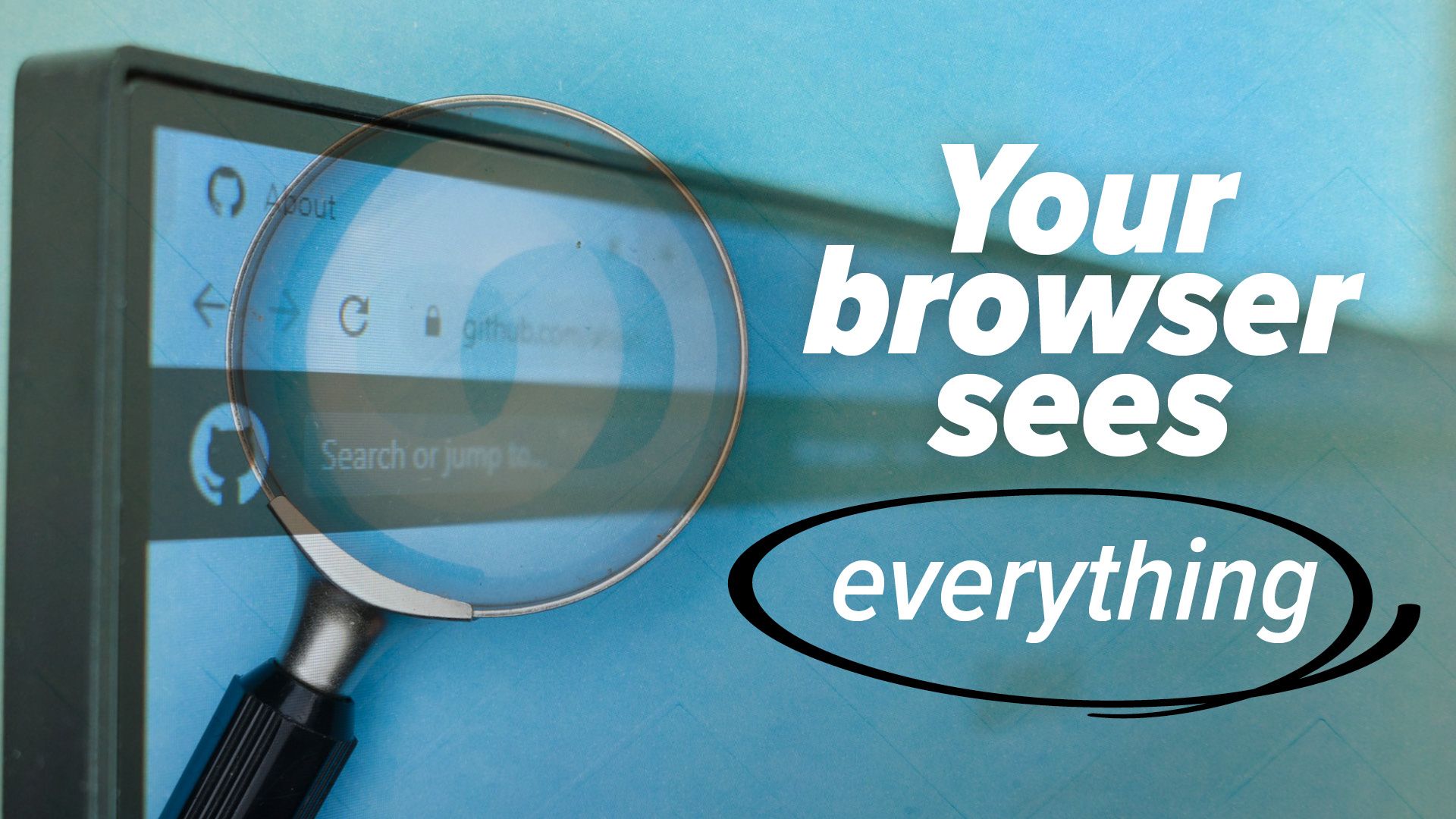
Magnifying glass over a browser window with the text “Your browser sees everything.”
April 20, 2026
Learn how mobile browsers collect your data and simple steps your business can take to improve privacy and reduce security risks.
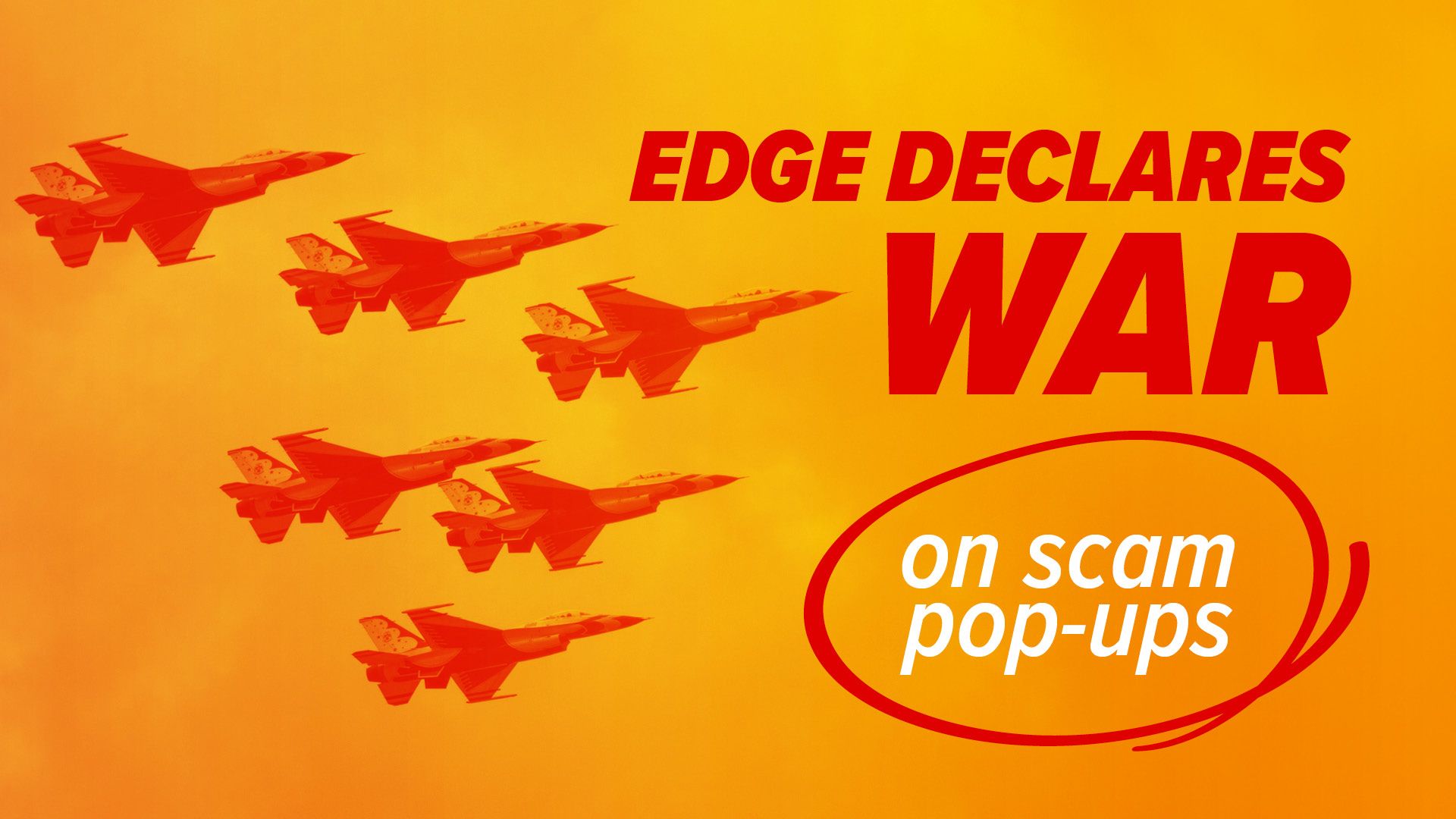
Microsoft Edge declares war on scam pop-ups; red jets fly against a yellow-orange background.
February 10, 2026
Microsoft Edge now uses AI to block scareware pop-ups before they can cause harm. Learn how the new feature protects users and businesses.
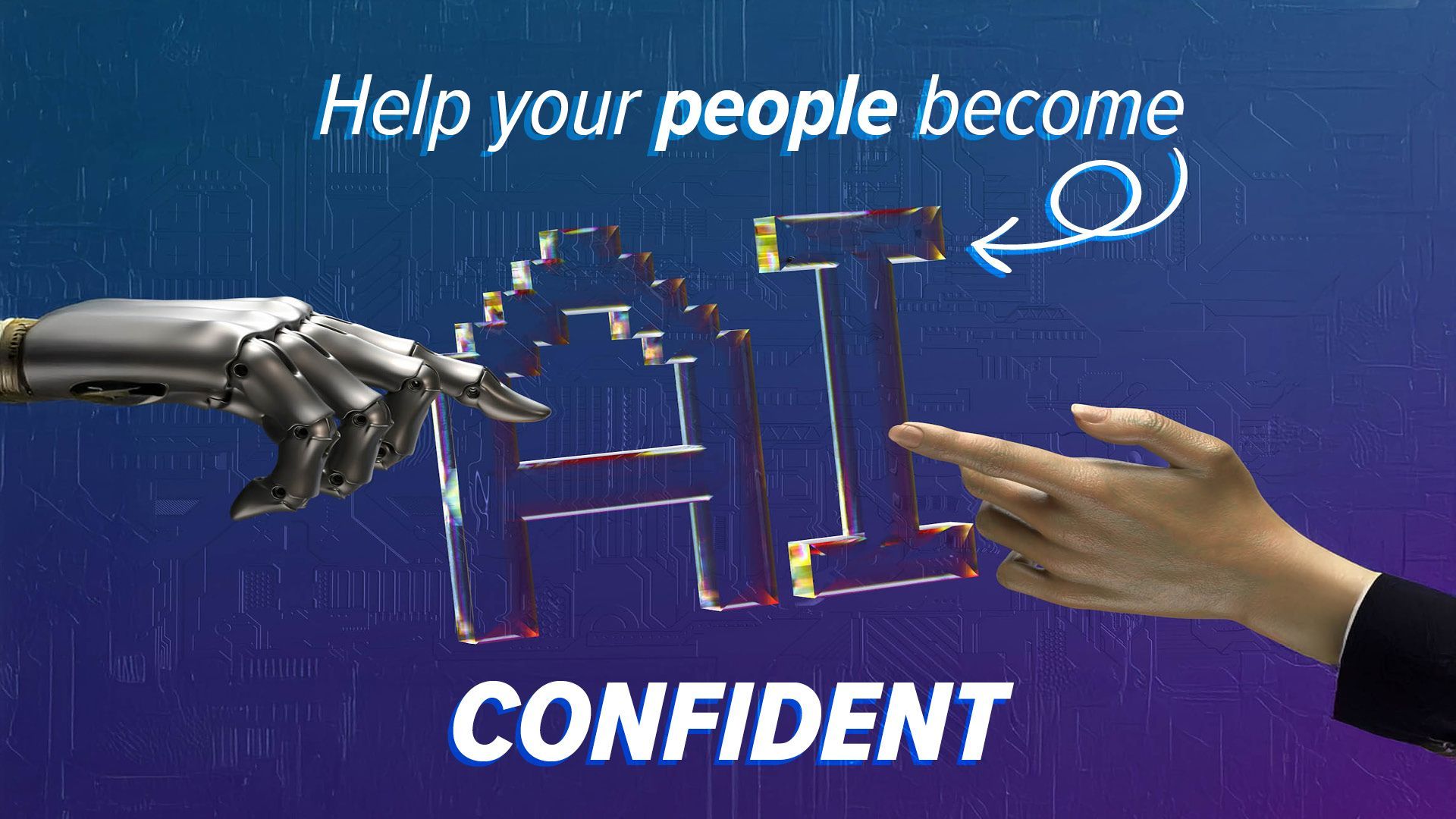
Robotic hand and human hand interact with glowing
January 16, 2026
Learn how to help your employees embrace AI at work. Build confidence with training, culture, and smart strategies for more productivity and creativity.
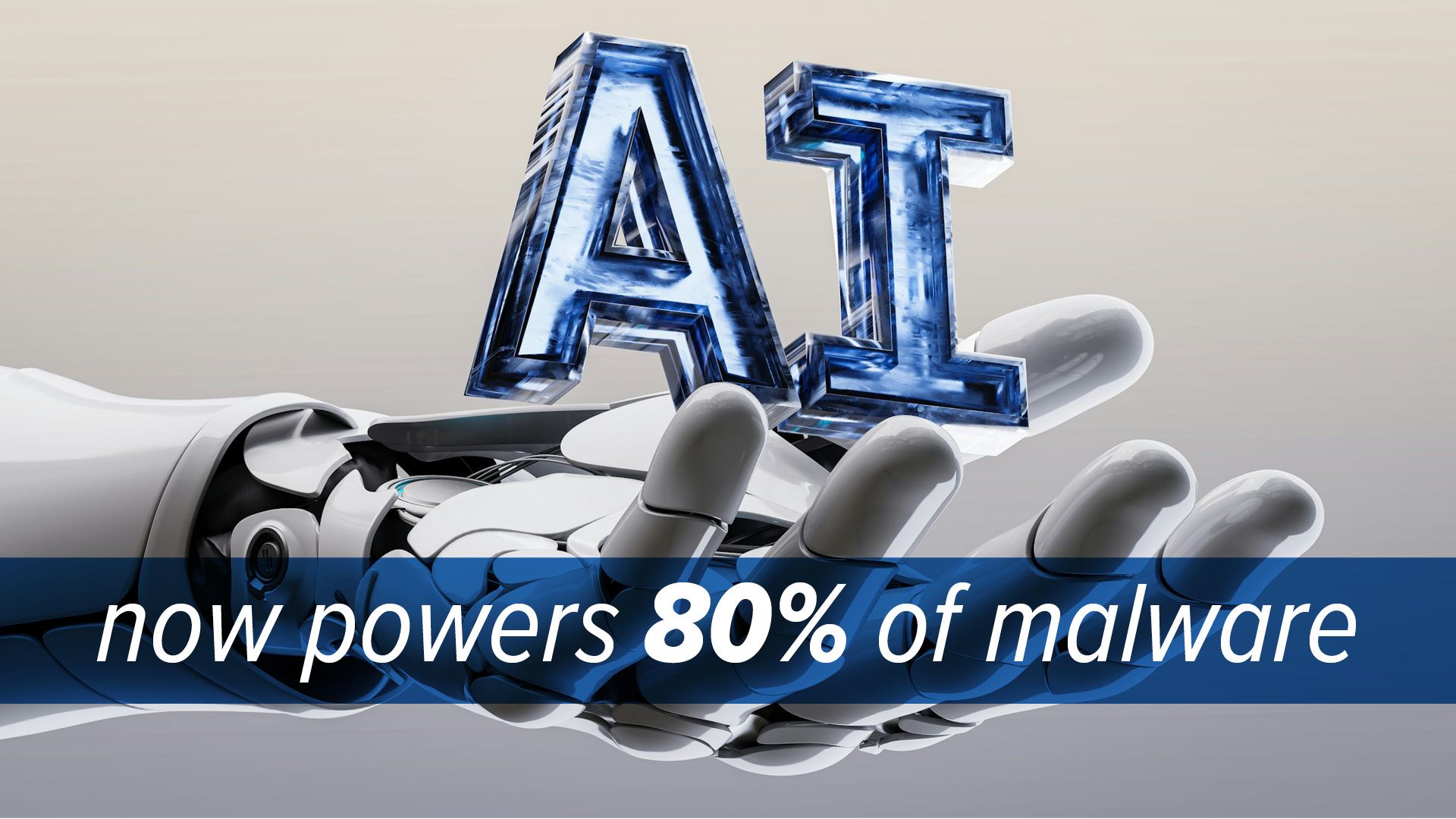
A robotic hand holding
December 20, 2025
AI now powers most cyberattacks, from ransomware to phishing. Learn why SMBs are at risk and how layered, AI-driven security can help protect your business.
FBI warning about new ransomware threat. Red triangle with exclamation point on binary code background.
November 20, 2025
Learn how Interlock ransomware targets businesses and discover essential steps to protect your systems, data, and operations from attack.